Leadership today is no longer just about efficiency, targets, or speed. It is about awareness, responsibility, and purpose. In this short interview, Farhad reflects on his journey through the MBA in Conscious Leadership at Alfred Ford School of Management—how it reshaped his decision-making, strengthened his confidence, and helped him grow not only as a leader, but as a person. His story bridges professional ambition, personal resilience, and the quiet discipline required to lead consciously in complex environments.
Q&A Interview
What moment in your life first made you aware that leadership must be conscious, not just effective?
In my organization, the Certified International Manager program focuses on delivering meaningful motivational and developmental feedback. When I completed that workshop, I expected to sharpen a management skill, but it led to a more important realization: effective leadership requires genuine awareness of how our actions influence others, not just the achievement of results. That insight sparked my interest in more intentional leadership development and ultimately led me to the Alfred Ford MBA in Conscious Leadership, where I could grow not only as an effective leader, but as a more self-aware and responsible one.
During the MBA, was there a specific assignment or interaction that shifted how you see yourself as a leader?
One assignment that stood out was a case study for the Conscious Leadership module. Beyond developing a five-year learning plan, we were asked to identify the top three competencies we wanted to build. One of the competencies I chose was public speaking—specifically, the ability to address larger audiences with confidence. This assignment pushed me to practice intentionally, and over time it significantly increased my confidence, helping me communicate more effectively with teams and larger organizational forums.
You mentioned thinking twice before making decisions. Can you describe a real decision at DHL where the program changed your approach?
While I have traditionally been an instinctive and fast decision-maker, the MBA taught me to pause deliberately—to weigh pros and cons, consult colleagues when appropriate, and build consensus before acting. At the same time, I retained the ability to make swift decisions when urgency requires it.
A concrete example from DHL involved choosing between acquiring a market-ready SaaS solution or building one in-house. An external acquisition would have delivered faster results, while internal development offered a stronger long-term strategic advantage. Although the in-house option required more time, it ultimately provided a solution tailored to our specific needs and greater flexibility to adapt to market changes. This experience reinforced the value of balancing strategic foresight with timely execution—an approach strengthened through the MBA.
Coming from Afghanistan and having lived through uncertainty, how did that background shape your learning style in the program?
Growing up in a war-torn country and relocating more than twenty years ago exposed me to significant uncertainty early in life. Starting over in a completely new environment was challenging, but the support of the local community and close family members helped me adapt. These experiences cultivated resilience, self-reliance, and a proactive approach to learning—qualities that strongly influenced both my academic journey and professional development.
Pursuing a Master’s degree had long been an ambition, yet I struggled to find a program aligned with both my values and long-term goals. The MBA in Conscious Leadership at Alfred Ford School of Management was the first program that fully resonated with me, making the decision clear.
What did the two promotions mean to you personally—beyond the career step?
Starting an MBA is a serious commitment, especially when combined with full-time work. It requires acknowledging that workloads do not decrease and that professional responsibilities must still be fulfilled at a high level. During the MBA, I remained fully committed to both my role at work and my personal development, often sacrificing leisure time.
The two promotions I received during this period were not just career milestones. They represented recognition of sustained discipline, dedication, and balance. On a personal level, they reinforced my confidence and validated the effort required to grow professionally while pursuing advanced education.
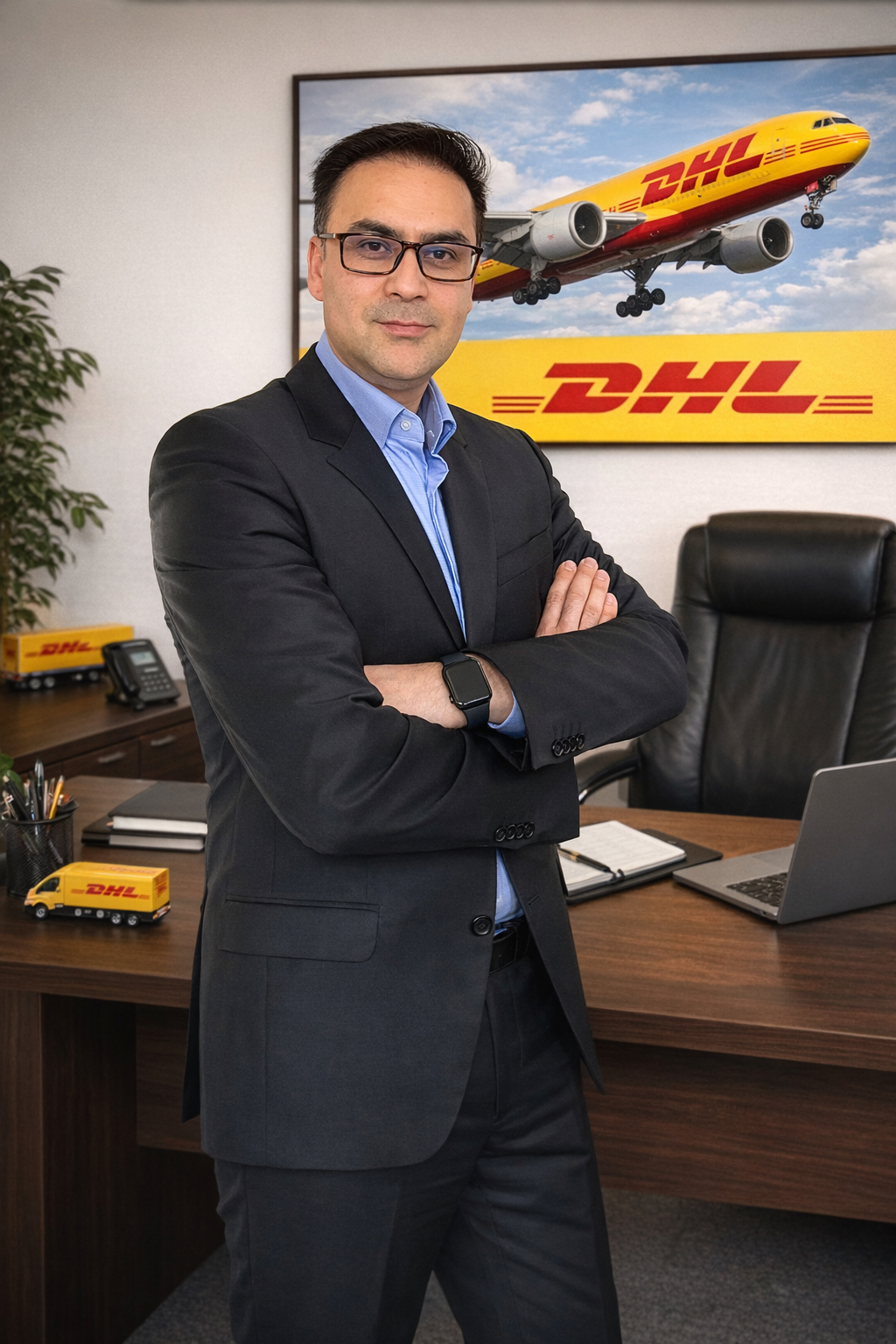
Before the MBA, I was effective in my role but less confident when addressing large audiences or translating ideas at scale. After the MBA, I gained the confidence and tools to speak clearly in town halls, large gatherings, and organizational forums.
My strategic thinking has also evolved significantly. I am now more capable of developing short-, mid-, and long-term strategies and aligning teams around a clear vision. This ability to influence, communicate, and lead at scale represents the most meaningful transformation.
Which part of the program made you stop and say, “I didn’t expect this from an MBA”?
What surprised me most was how deeply the program connected personal discipline with professional credibility. The MBA challenged me to grow internally—through reflection, structure, and self-awareness—while delivering externally through performance. That integration of inner growth with tangible outcomes was something I did not expect, yet it became one of the most valuable aspects of the journey.
How has your family responded to your growth during the program?
Balancing a full-time role, academic demands, and family life was challenging. It required clear prioritization, open communication, and conscious trade-offs. My family was supportive throughout the process, understanding the importance of the program and the long-term growth it enabled. Their encouragement reinforced the importance of aligning with family before committing to such a demanding journey.
If you could speak to your past self before the MBA, what would you tell him?
I would encourage him to take the same path and commit fully. The one thing I would do differently is invest more in interactions with fellow MBA colleagues—through WhatsApp groups, virtual meetings, and discussions. Greater engagement with the cohort would have strengthened collaboration, mutual support, and shared momentum throughout the program.
How would you describe the difference between Farhad-before-MBA and Farhad-after-MBA?
Before the MBA, I was effective in my role but less confident when addressing large audiences or translating ideas at scale. After the MBA, I gained the confidence and tools to speak clearly in town halls, large gatherings, and organizational forums.
My strategic thinking has also evolved significantly. I am now more capable of developing short-, mid-, and long-term strategies and aligning teams around a clear vision. This ability to influence, communicate, and lead at scale represents the most meaningful transformation.
For someone considering the program but unsure, what insight from your journey would you want them to hear?
- Align with your family and ensure their support.
- Communicate openly with colleagues about your ambitions and commitments.
- Maintain balance to sustain performance, health, and motivation throughout the program.