Why the DBA?
Why the DBA?
The Doctor of Business Administration (DBA) is the highest professional qualification in management — designed for leaders who shape strategy, influence industries, and solve complex organisational challenges.
A DBA is far more than an academic credential. It equips you to:
- investigate real organisational problems
- identify strategic opportunities
- improve performance across teams and systems
- design and implement research-based solutions
- communicate insights that influence decision-makers
Managers and entrepreneurs use the DBA to evolve into research-driven strategists — professionals recognised as authorities in their field.
If your ambition is to be the person others turn to for clarity, direction, and leadership, the DBA marks that transition.

Our DBA

Programme Structure
The DBA is structured around progressive stages that lead you from foundational research skills to the completion of a doctoral thesis:
- Research Methodology Course (8 assessed modules)
- Full Research Proposal
- Research Proposal Defence
- Fieldwork and organisational data collection
- Thesis writing and submission
- Viva Voce examination
The typical study duration is three years, supported by experienced supervisors aligned with your topic.
Assignments can be refined following feedback to ensure consistent academic progress.
Your Journey
Your DBA begins with your own professional context. You select a research topic rooted in your industry, experience, and curiosity — a real issue that requires deeper, structured investigation.
Throughout the journey, you will learn to:
- map academic and professional debates in your field
- evaluate and synthesise the literature
- design a robust and coherent methodology
- collect and analyse organisational data
- develop insights that improve practice
- communicate findings to doctoral standards
A single guiding principle supports your development:
Narrow your niche — and become the authority in that niche.
Your supervisors accompany you at each stage, helping you clarify ideas, structure your approach, and transform complex challenges into impactful, research-guided solutions.

Academic Leadership of the DBA Programme
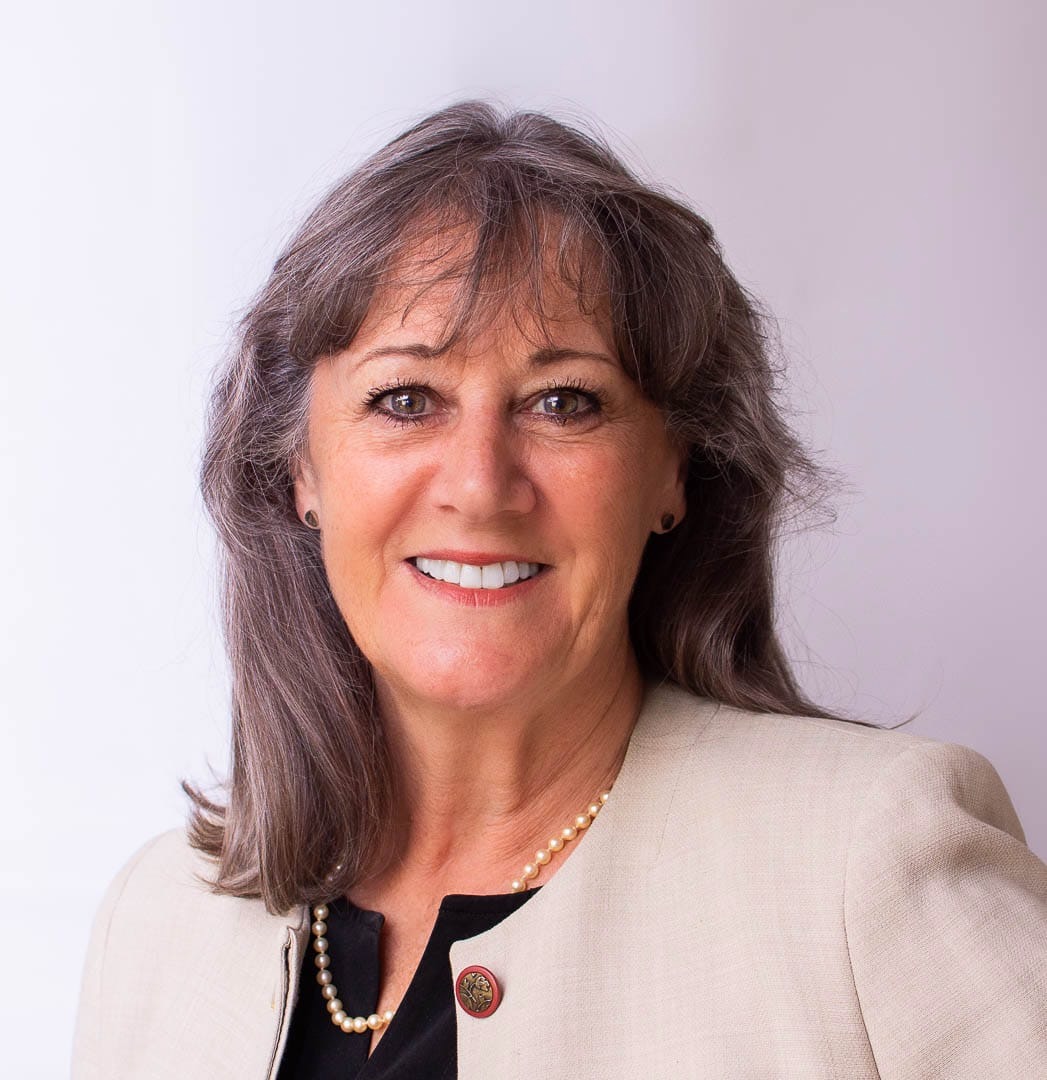
Dr Coral Milburn-Curtis, DPhil (Oxon)
Director of Studies, DBA — PPA Business School Associate Fellow, Green Templeton College, University of Oxford
Dr Coral Milburn-Curtis brings over four decades of educational leadership and doctoral research expertise. A former award-winning UK headteacher, she completed her DPhil at the University of Oxford with a focus on critical thinking, argumentation, and quantitative research methods. She has supervised doctoral candidates internationally and is recognised for her rigorous yet supportive approach to research design, survey methodology, and structural equation modelling.
Her leadership ensures high academic standards, methodological integrity, and strong alignment between research and real-world organisational challenges.
Prof. Kumari Sherreitt, PhD
Faculty Lead, Research Methods & Leadership Studies — PPA / AFSM

Prof. Kumari Sherreitt is a scholar-practitioner with a PhD in Organisational Leadership from Indiana Institute of Technology. Her background spans global leadership development, online higher-education delivery, and organisational change across mission-driven and international contexts. She specialises in guiding experienced professionals through the transition from practitioner to researcher, emphasising reflective practice, leadership insight, and practical application of research in complex organisational environments.
Her expertise strengthens the leadership dimension of the DBA and provides candidates with a modern, applied, and practice-centred research experience.
Eligibility & Fees
Who Should Apply
The ideal DBA candidate:
- holds a recognised Master’s degree
- has at least four years of managerial or industry experience
- is responsible for strategic or organisational decisions
- is motivated to investigate meaningful business problems
- can work independently with discipline
- aims to transform their organisation or sector through research
A doctoral degree demands stamina, curiosity, and long-term commitment — and it rewards you with professional depth and recognised authority.
English Requirement
IELTS 6.5 or equivalent
OR a previous degree taught fully in English.
Fees
Traditional DBA
• €11,850 (annual tuition; instalments available; scholarships possible)
DBA by Retrospective Publication
• €9,000 total fee
Both include:
-
- one-to-one supervision
- access to the online library
- research support resources
- guidance through to the final viva voce
FAQ
Your DBA begins with your own professional context. You select a research topic rooted in your industry, experience, and curiosity — a real issue that requires deeper, structured investigation.